Overview
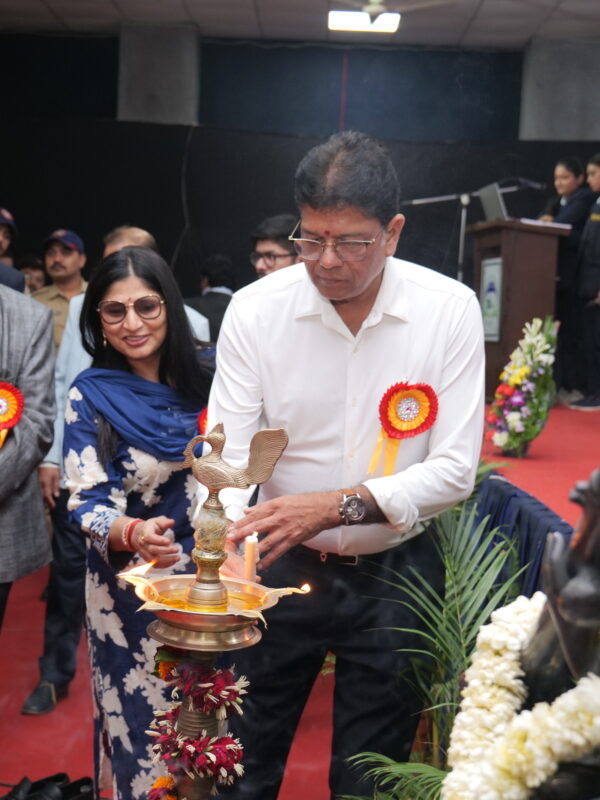
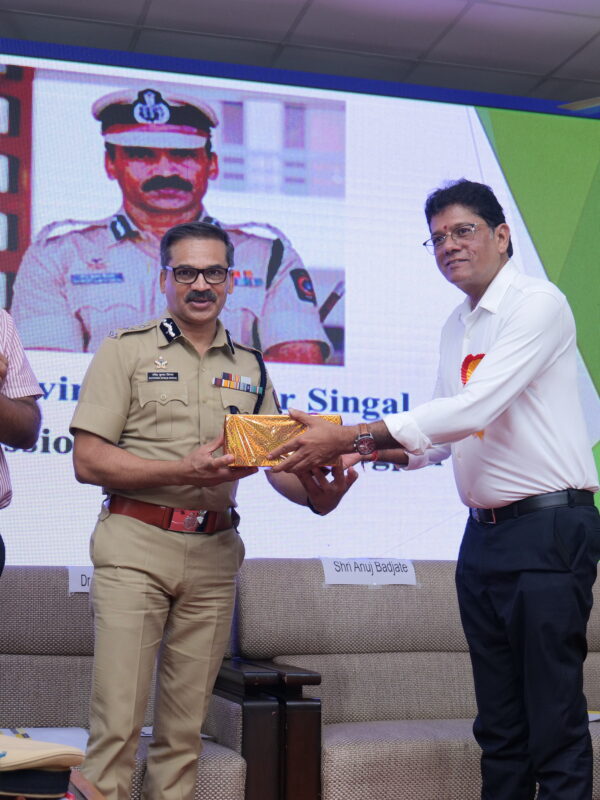



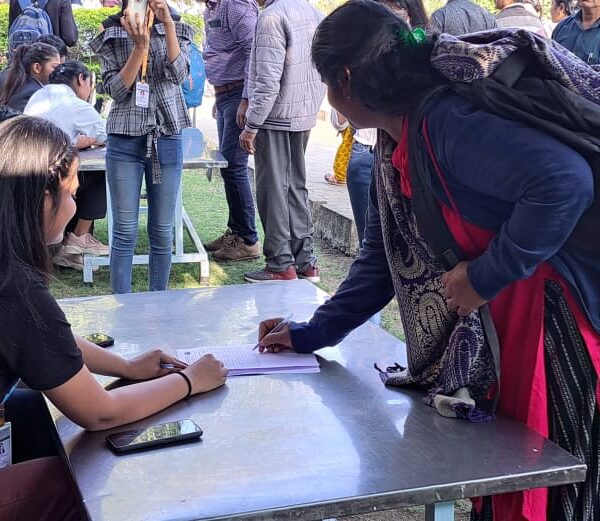

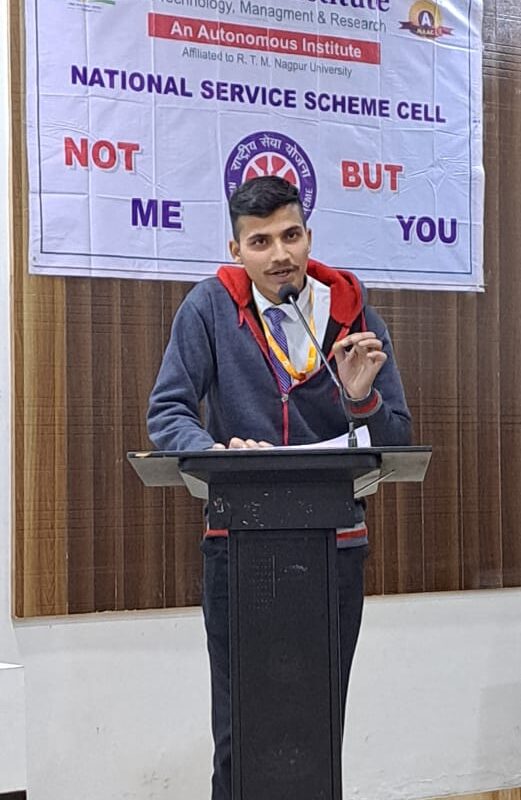
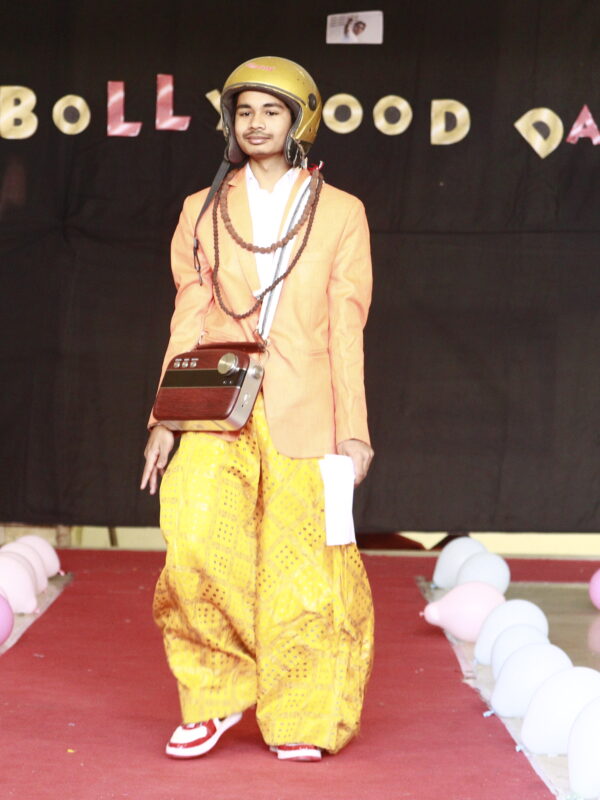
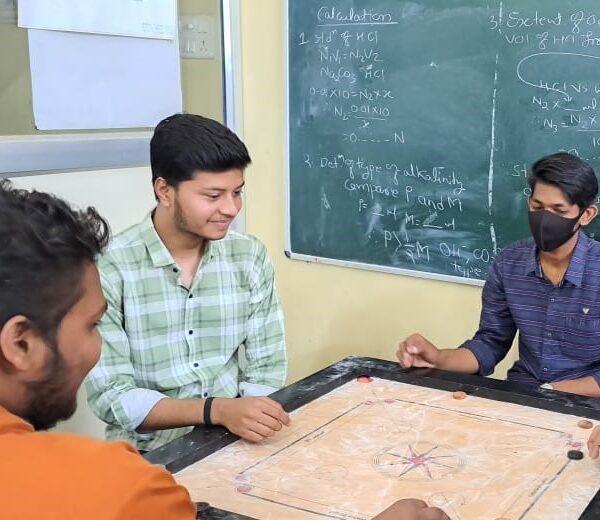
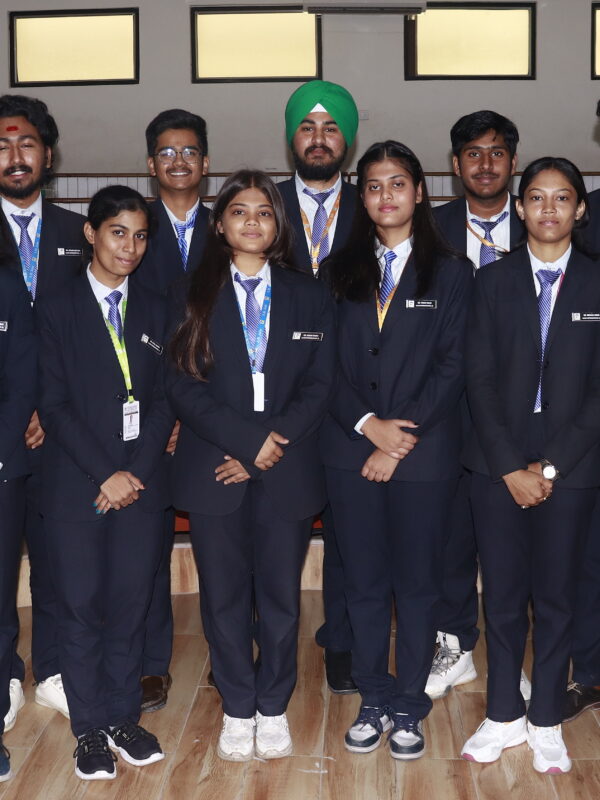
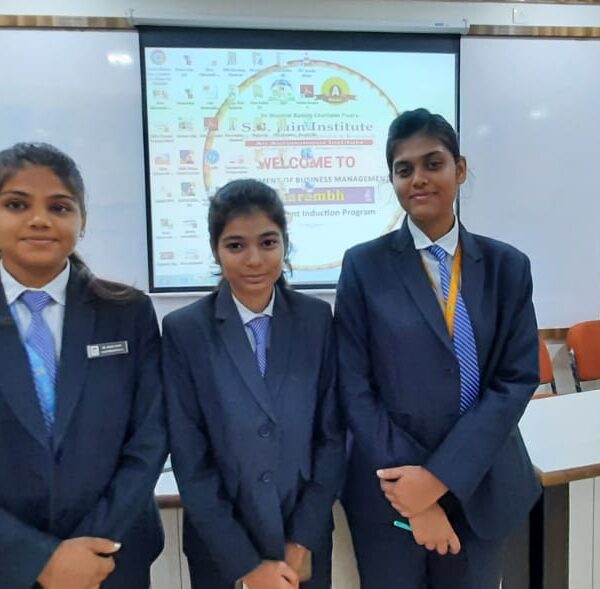
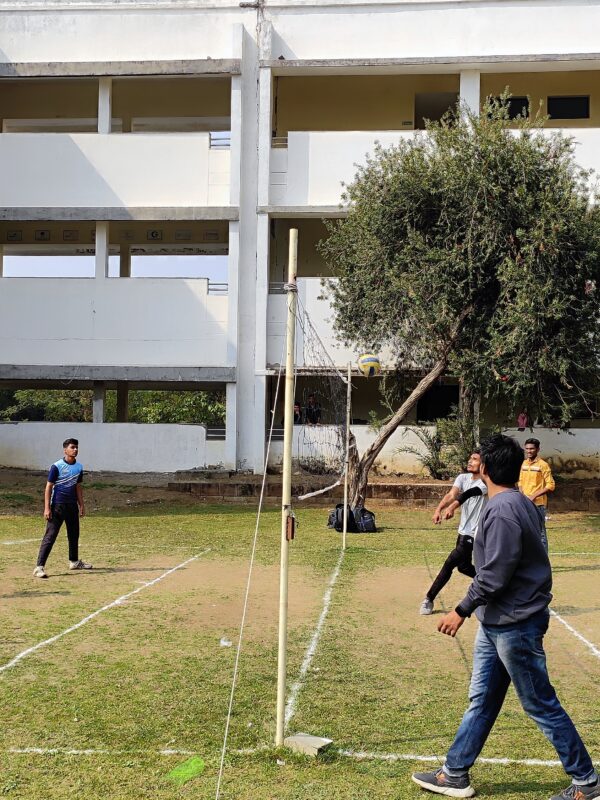
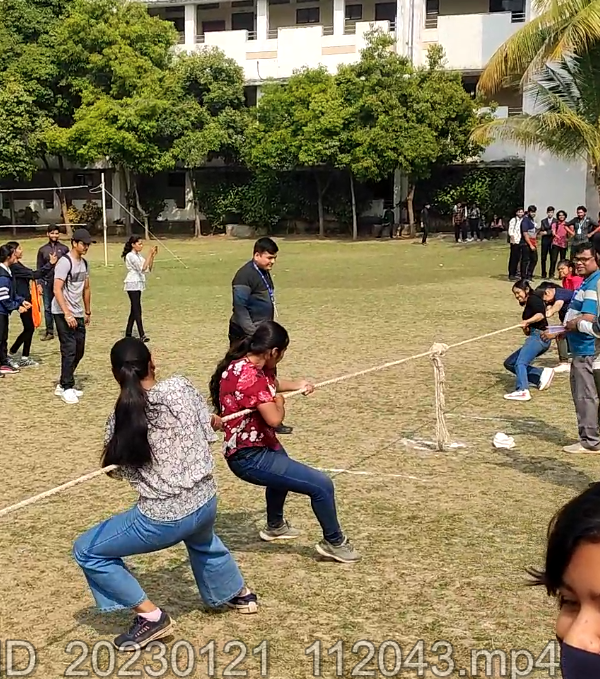
First year department is one of the pioneering wing of our institute. We focus on the holistic development of students and build them strong to be able to compete in professional world by offering the deep insight in fundamental sciences and humanities for its innovative applications in technology.
The unique features of First Year Engineering Department are,
- Enhance student’s knowledge, critical thinking, analysing and technical skills, we have effective ecosystem of creative assignments, innovative case study analysis, power point presentations including handouts, expert talk, forum activities and industrial visits.
- Boost performance in regular classroom study, we provide a platform of peer learning to the students through our performance improvement workshops.
- Innovative TAE parameter special mention ABL (Activity Based Learning) brings practical approach to the theory learning of the students.
- Mentor-Mentee scheme helps to build strong bond with our newly admitted students and develop the sense of belongingness.
- Strong team of faculty with a judicious mix of the young vibrant with the seasoned veterans who together as a dynamic first year team laying a strong foundation for the budding engineers.
From The HOD's Desk
Dear Friends,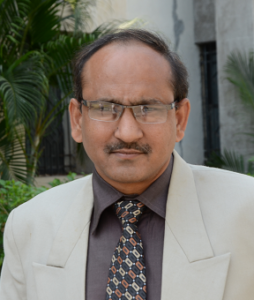
It’s a good fortune to work with management which looks at their employees as their asset and strongly believe that “Growth of the employees is ultimately the growth of the institute”
We at department of first year are laying the strong foundation for budding engineers, through our determined, devoted & dedicated team of teachers. Department is combination of highly experienced & fresher staff which is providing us rich experience & spontaneous energy.
Prof. Vinod Suple
Head, First Year Engineering Department,
hodfirstyear@sbjit.edu.in
Mobile No:- 9923146219
Program Outcomes
Engineering Graduate will be able to:
- PO1: Engineering Knowledge: Apply knowledge of mathematics, natural science, computing, engineering fundamentals and an engineering specialization as specified in WK1 to WK4 respectively to develop to the solution of complex engineering problems.
PO2: Problem Analysis: Identify, formulate, review research literature and analyse complex engineering problems reaching substantiated conclusions with consideration for sustainable development. (WK1 to WK4).
PO3: Design/Development of Solutions: Design creative solutions for complex engineering problems and design/develop systems /components/processes to meet identified needs with consideration for the public health and safety, whole-life cost, net zero carbon, culture, society and environment as required. (WK5).
PO4: Conduct Investigations of Complex Problems: Conduct investigations of complex engineering problems using research-based knowledge including design of experiments, modelling, analysis & interpretation of data to provide valid conclusions. (WK8).
PO5: Engineering Tool Usage: Create, select and apply appropriate techniques, resources and modern engineering & IT tools, including prediction and modelling recognizing their limitations to solve complex engineering problems. (WK2 and WK6)
PO6: The Engineer and The World: Analyze and evaluate societal and environmental aspects while solving complex engineering problems for its impact on sustainability with reference to economy, health, safety, legal framework, culture and environment. (WK1, WK5, and WK7).
PO7: Ethics: Apply ethical principles and commit to professional ethics, human values, diversity and inclusion; adhere to national & international laws. (WK9)
PO8: Individual and Collaborative Team work: Function effectively as an individual, and as a member or leader in diverse/multi-disciplinary teams.
PO9: Communication: Communicate effectively and inclusively within the engineering community and society at large, such as being able to comprehend and write effective
reports and design documentation, make effective presentations considering cultural,language, and learning differences.
PO10: Project Management and Finance: Apply knowledge and understanding of engineering management principles and economic decision-making and apply these to one’s own work, as a member and leader in a team, and to manage projects and in multidisciplinary environments.
PO11: Life-Long Learning: Recognize the need for, and have the preparation and ability for i) independent and life-long learning ii) adaptability to new and emerging technologies and iii) critical thinking in the broadest context of technological change. (WK8)